Part II: Particulars
There are three major themes to the Choral #3 in a by César Franck, and we’ll peruse them one by one, beginning with the importance of choosing the right tempo followed by Franck’s harmonic language, the significance of his poignant use of dissonance via non-chord tones (especially appoggiaturas and suspensions), and how these dissonances influence the shape of the phase; and, as a result (with any luck) how the organist articulates the phrase; i. e., the things that any good singer, conductor, pianist/instrumentalist instinctively knows to do, but organists invariably don’t. To be fair, a substantial reason is that organ presents physical and logistical complications which other instruments don’t have which can have an inhibiting effect on achieving the same level of expressivity. They don’t make it impossible — just more problematic.
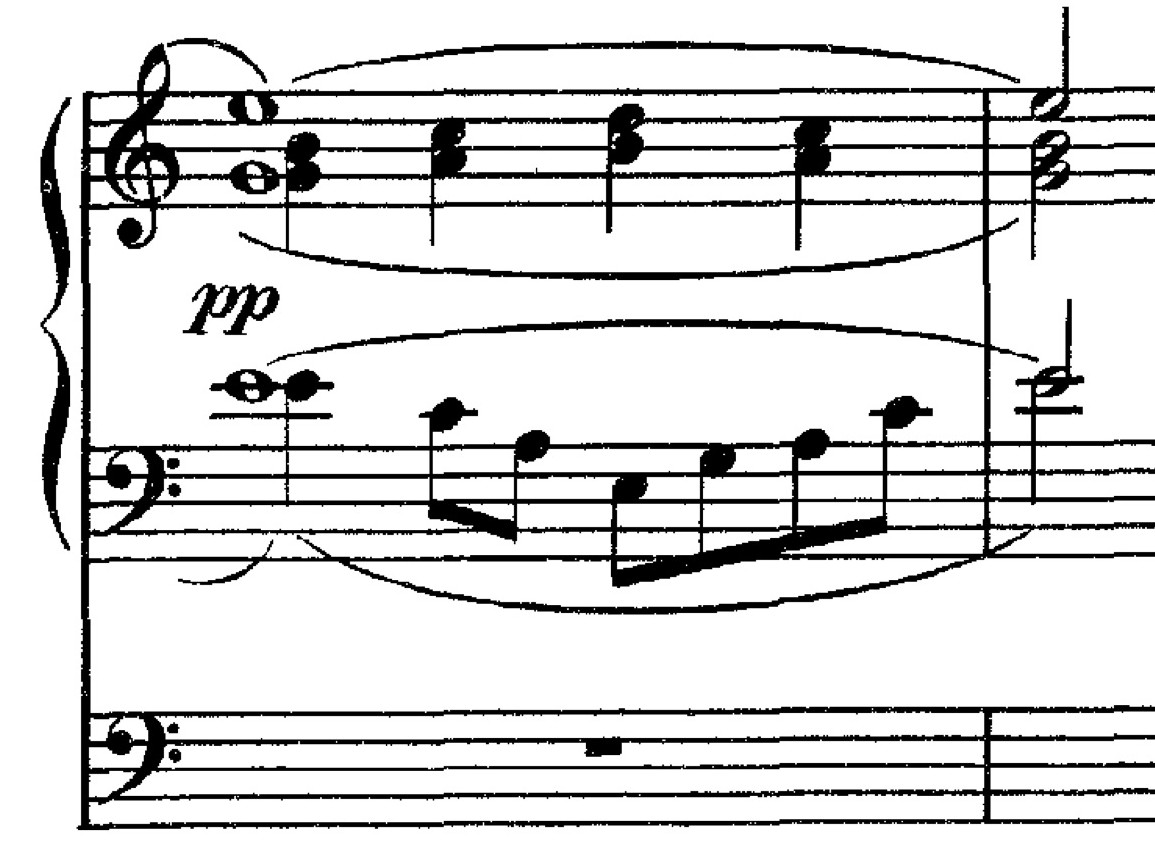
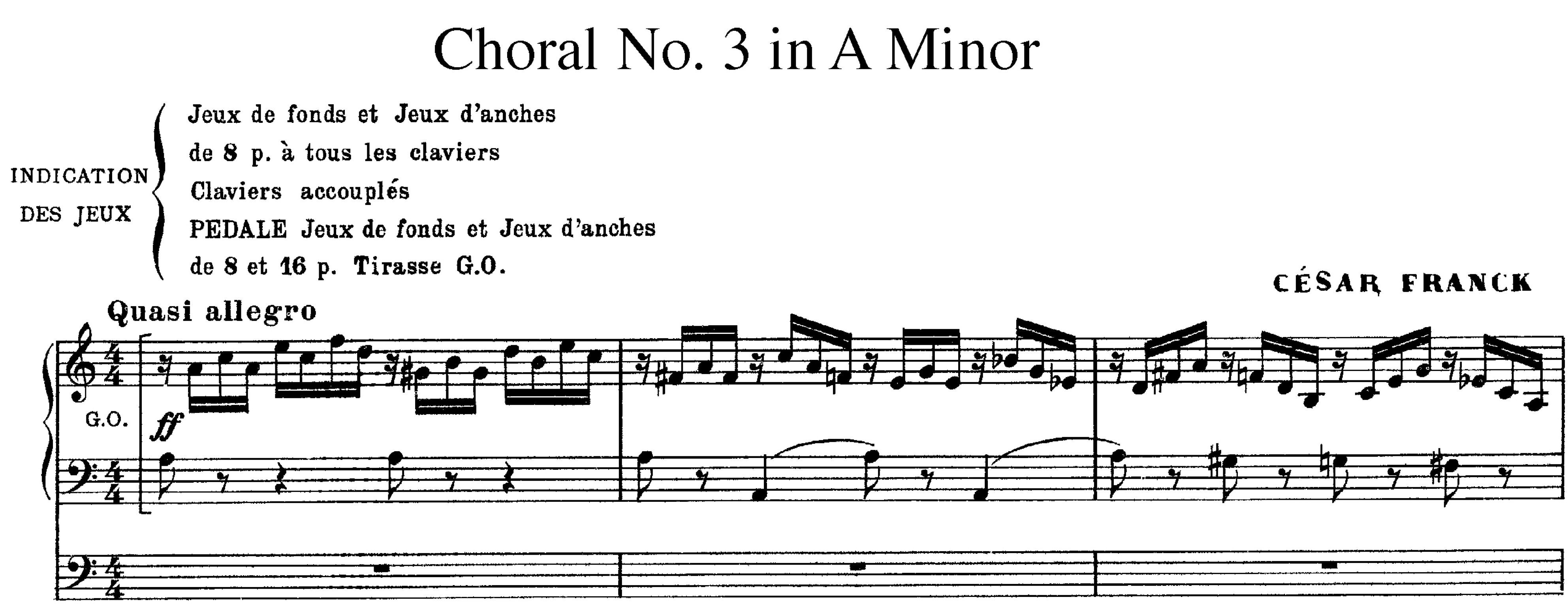
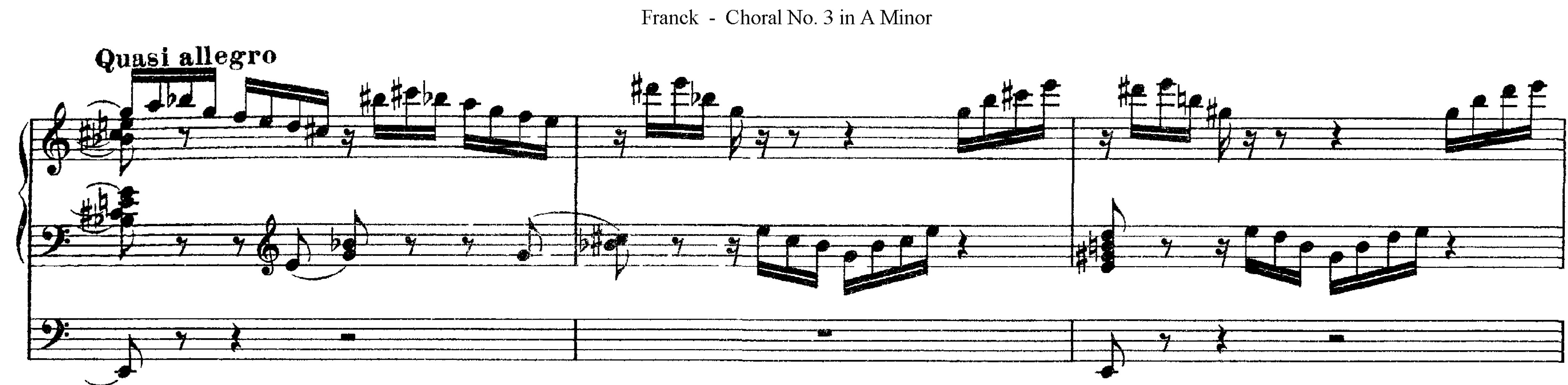
The opening theme (of which the first and last measures are the most important) is very agitated and leaves the listener very unsettled:
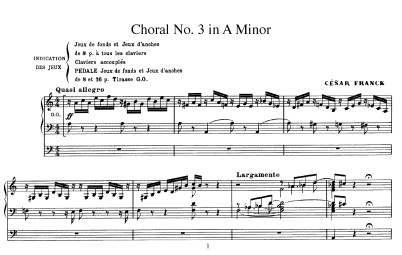
First, let’s discuss tempo. As I mentioned earlier the Choral #3 in a is not exceptionally difficult to master from a purely technical standpoint. As a result, there’s a propensity to “make it difficult” by rushing the “allegro” sections. The opening suffers from this constantly with invariably disastrous results. If there’s one thing I’ve learnt over the years it’s that speed does not necessarily create tension; and, in this case, it does just the opposite. The secret is how you articulate the phrase that produces or relaxes the tension. The entire exposition (including the”chorale” part of the Choral, which we’ll get to later) is very unnerving. However, if rushed you lose that agitation — that disquietude — which tells the listener that Franck is not a happy camper.
The beginning tempo marking says Quasi Allegro; NOT Allegro, and certainly not Presto — a tempo I hear far too often. Too many times I’ve heard the opening played at ca. q=120 which, unfortunately, gives the impression of trying to make it sound technically more difficult than it is. At that tempo you can barely distinguish the notes much less hear any sense of direction. I find that tempos between q=88 and q=96, with bright articulation (not staccato but détaché) will give a legitimate sense of “agitato” and still vouchsafe the listener’s the ability to hear the notes. Anything faster causes a loss of shape and merely sounds rushed; or, as I mentioned earlier, like the performer is trying to make something sound harder than it really is, or should be. The other deleterious effect of rushing the tempo is that the pungency of the dissonances, upon which Franck is so dependent to express his most poignant thoughts and feelings, is lost. Franck puts great importance on a multiplicity of non-chord tones; most significantly the appoggiatura and the suspension.
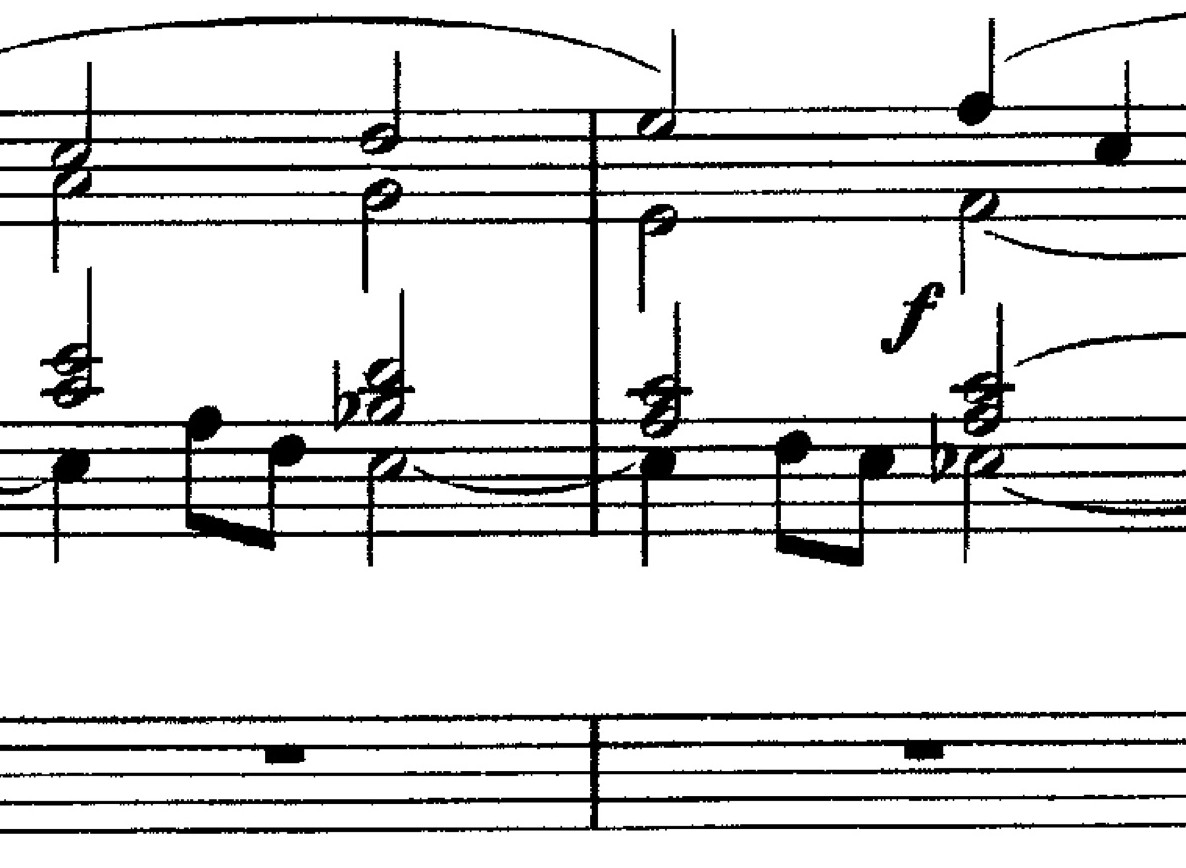
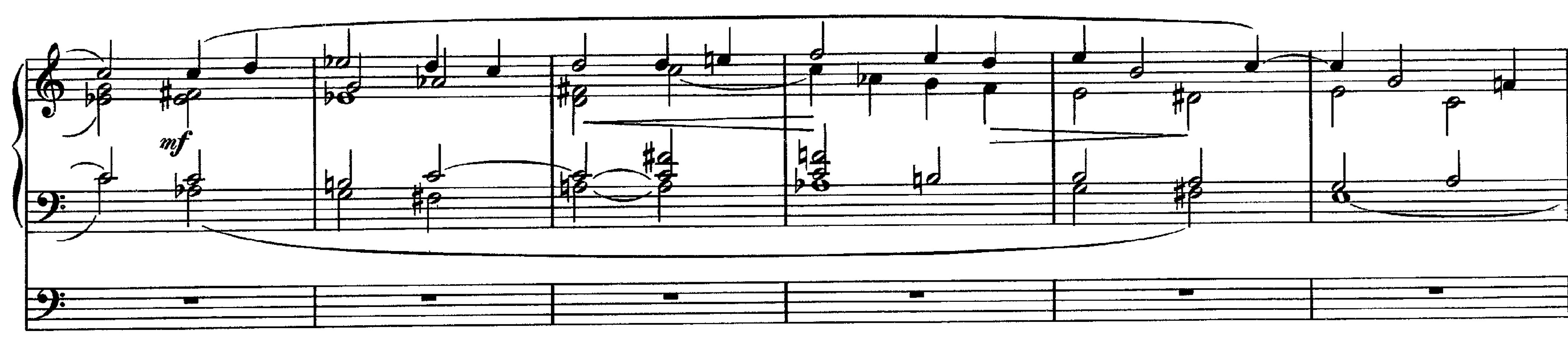
Let’s dig a little deeper. After the first measure, which is a rapid succession of I-IV-VII°-I, the tension increases through a series of keys via Neapolitan II-to-tonic (sans V) progressions until we arrive at an extended V⁹ resolving to an incomplete VII² (or a II°⁶⁄₄ if you like) :
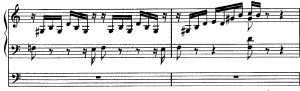
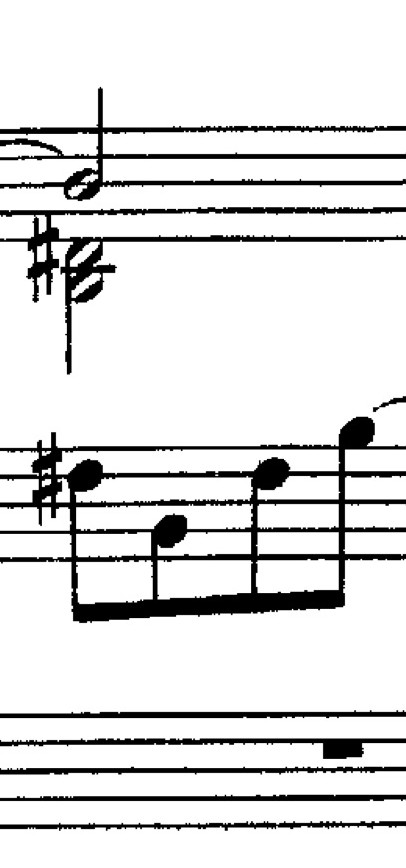
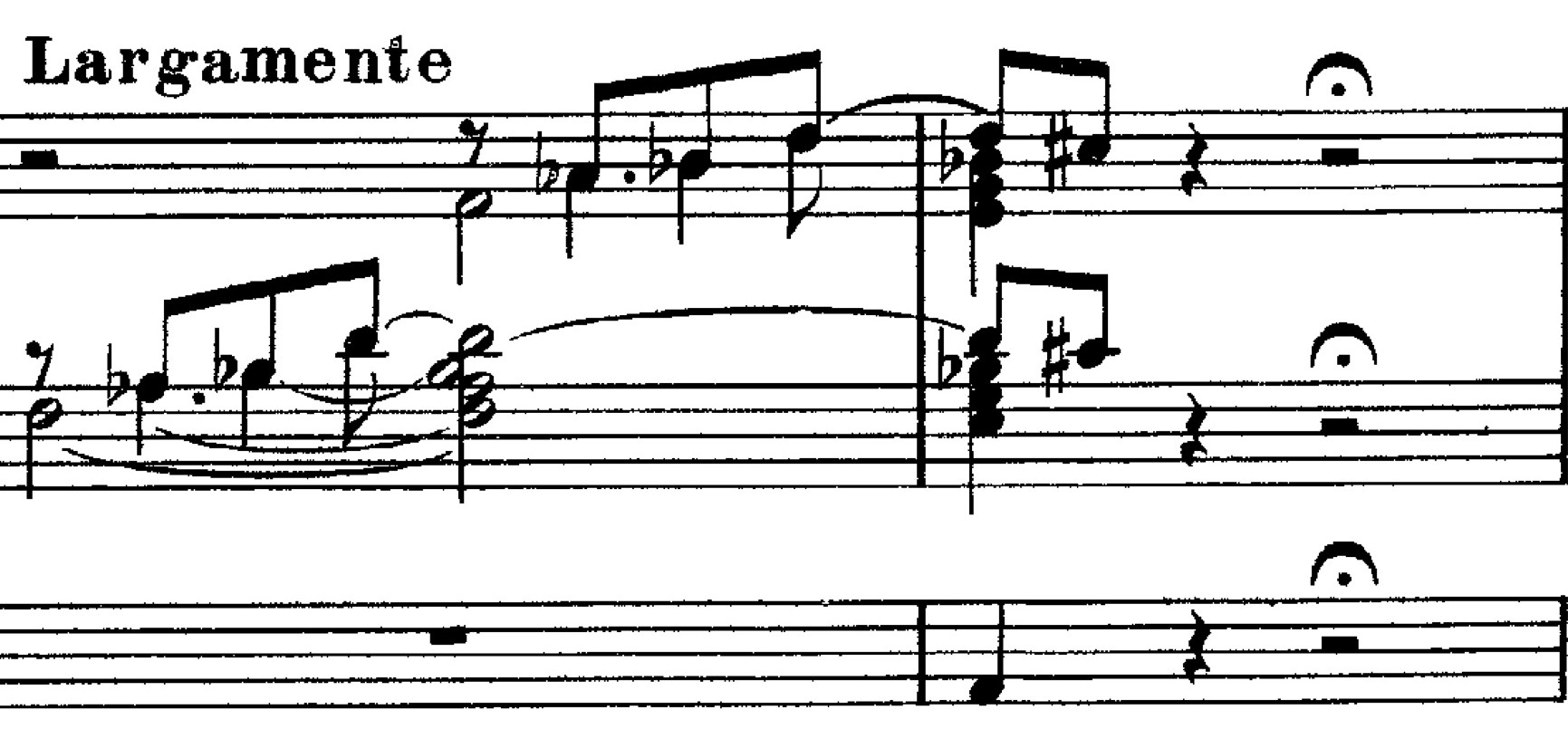
Not only does Franck leave us hanging with a diminished triad; but, he resolves to that chord through a strategically placed, appoggiatura on the third beat. And it’s through that appoggiatura, that accented dissonance, we feel the angst (the pain, if you will). So, put some emphasis on it! Lean on it (after all the term appoggiatura comes from the Italian appoggiare meaning “to lean”). Then to add to the tension there’s a modulation to the subdominant by way of a slow (“Largamente”), drawn out arpeggio of IV#⁶⁄₅(or German Sixth) of the subdominant to a complete V⁹ of IV via yet another appoggiatura:
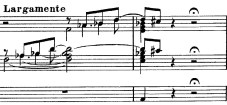
Again one dissonance resolving into another.
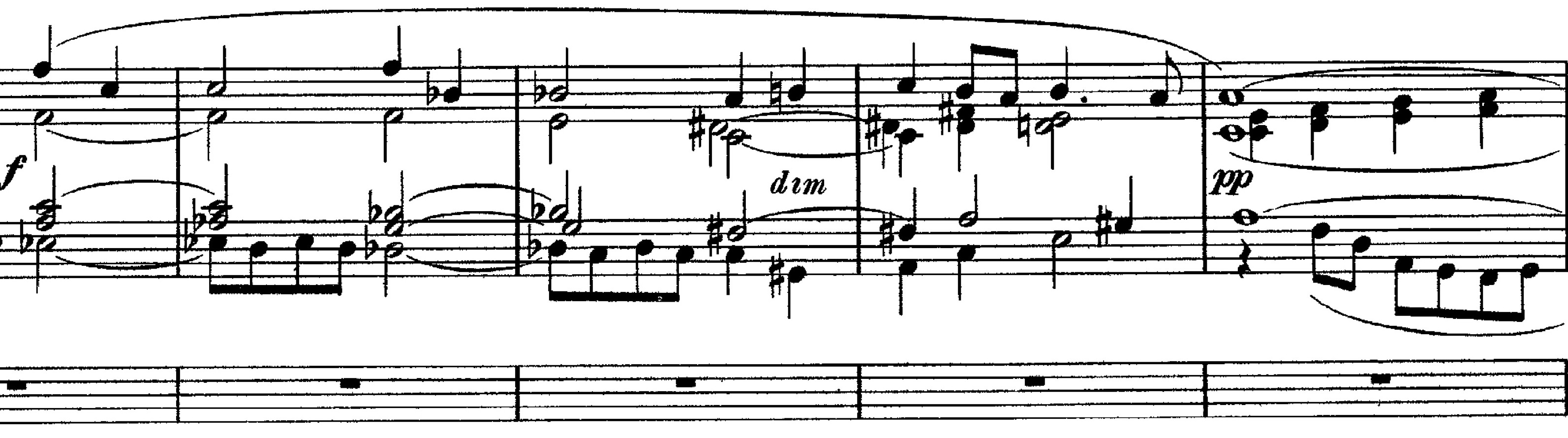
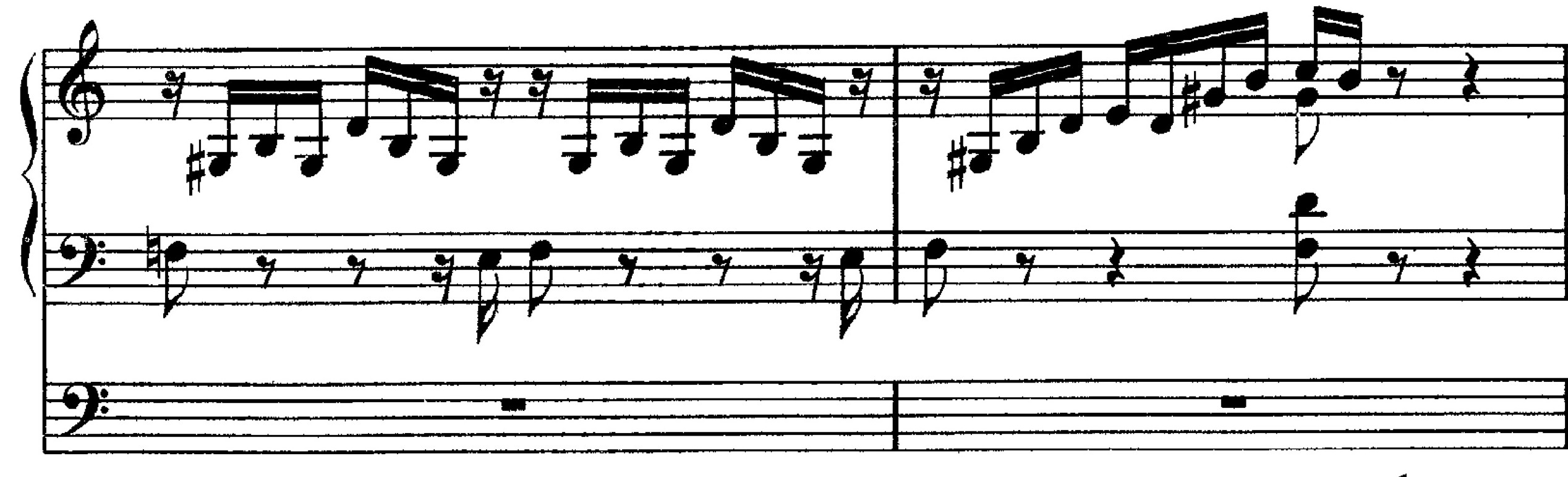
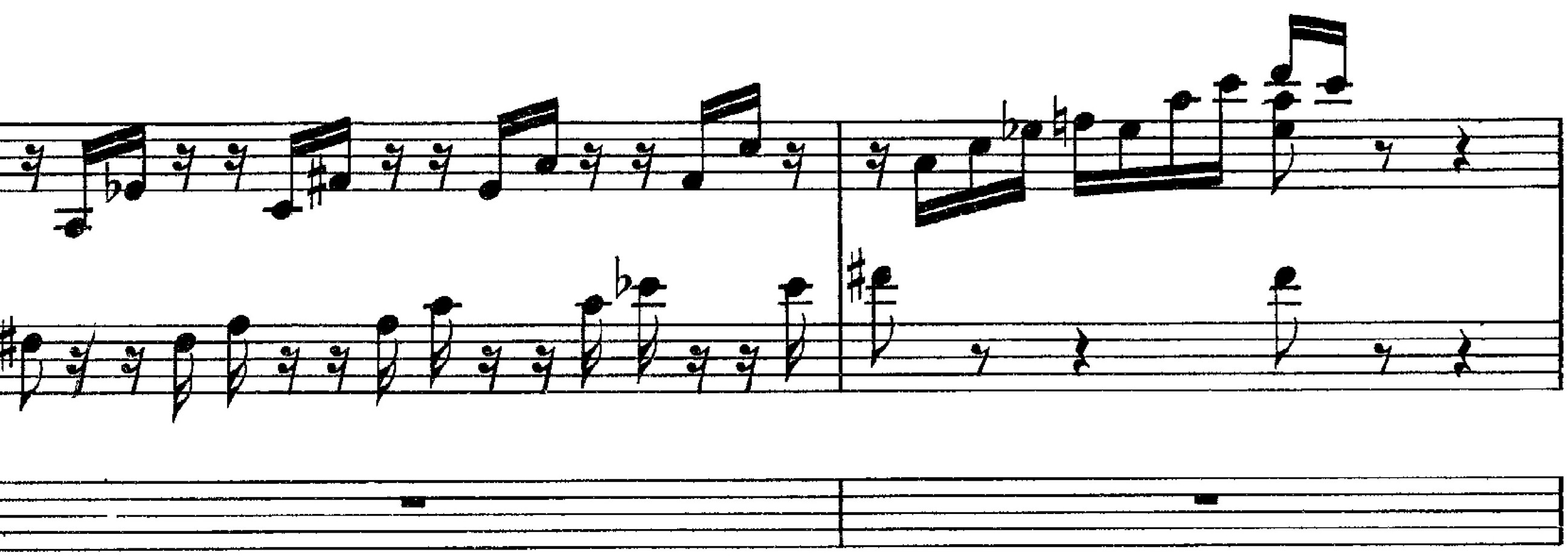
Now, Franck, being the good classicist that he was, repeats this agitated opening. This time the urgency is even more intensified because we’re fourth higher. However, you don’t want to sound like a screaming meemie so you have to add something to give it some substance; i.e., a 16’ reed or coupler. After Franck restates the opening material he extends it by adding two more of the secondary measures taking us all the way back down to where he was before and then through a broken diminished seventh chord (VII˚⁷/V) takes us all the way back up to another dissonant cadence; this time even more biting than the first:

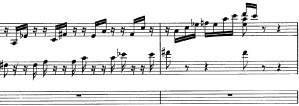
Whereas in the first statement the appoggiatura consisted of a minor seventh resolving to a sixth, this time it’s the pain (yes, pain!) of a major seventh resolving to a sixth. In both cases the resolution is to the disquietude of a diminished seventh chord. One thing I learnt a long time ago you never repeat the same way as the first time, even if the notes are almost identical. That is especially true here. Not only do you add the 16’ to give the repeat more body, more substance, but when you approach that second cadence, SLOW DOWN and then really lean on that appoggiatura. Make it hurt — because it’s supposed to!
Things have become very disconcerting by this time; and we feel a need for some quietude. Such is not to be. In fact, the angst is just beginning. After this discomfited opening Franck then brings us once again to the “Largamente” arpeggio. This time, however, he takes us through three, increasing the tension each time by moving up a step on the first two until we get to the third arpeggio. Now, between each of these cadences Franck has inserted a fermata; however, that does not give the performer an excuse to take a coffee break between cadences. Franck is leading up to something and at each point, to increase the sense of anticipation the organist needs to: 1) shorten the pauses successively 2) add more to the organ (16’ reeds or another 16’ coupler) 3) stretch out that third arpeggio (“Piu Largamente”). At this point one should have on nearly the full organ, so that at measure 19 it sounds as if the final apocalypse has just occurred and all hell has exploded forth:
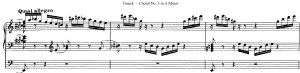
The three measures are ostensibly the same tempo as the beginning (“Quasi Allegro”), but this time agitation gives way to pure chaos until measure 22 when Franck finally pulls himself together and and gradually calms down — not relaxed or at peace, just calmer. Here, notwithstanding Franck’s lack of tempo indication begins an abruptly slower tempo. Even though the note values are longer, it still cries out to be slower followed by a gradual ritardando and diminuendo which really begin at measure 24 (unlike at measures 25 and 26 as indicated in the printed score) until Franck finally cadences in a minor: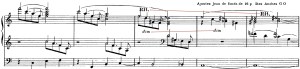
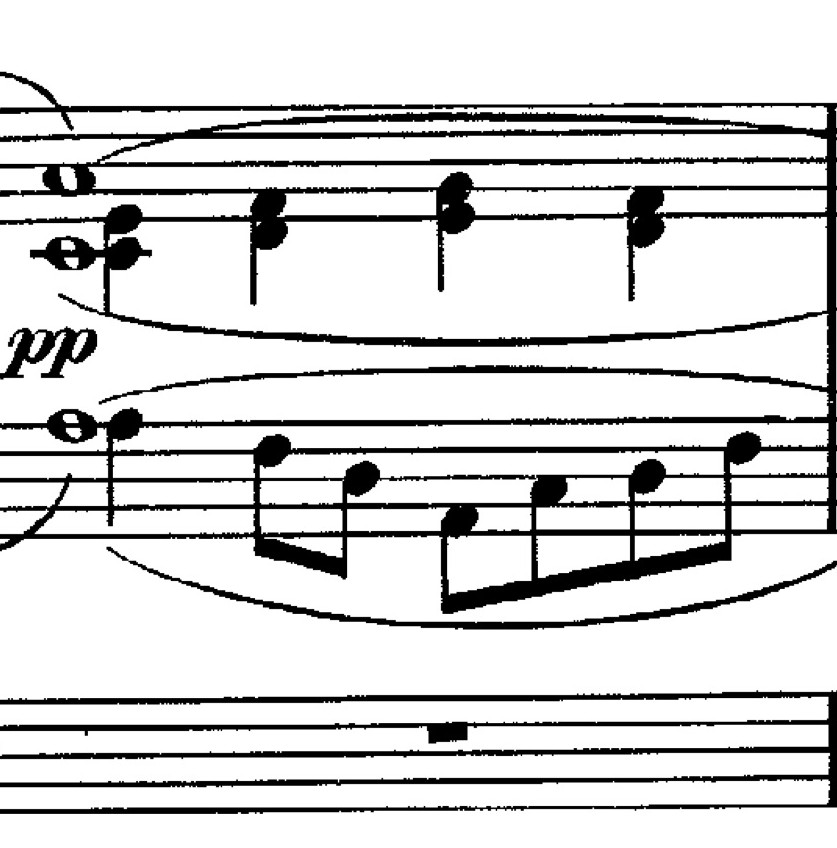
By this point the organ should be pianissimo. The cadence itself is significant. Franck ends this first part with a troubled plagal cadence via an altered IV⁷ (like the earlier German sixth) again, this time going directly to the Tonic recalling the almost identical cadence used to end the second movement of the Piano Quintet in f twelve years earlier:
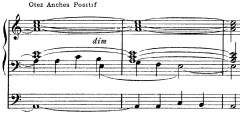
The second theme, the “Chorale,” is broad yet introspective. Although not dissimilar in format to that of a Bach Lutheran chorale, from which Franck ascertained his inspiration, this chorale does not give one a sense of repose or faith affirmed; rather, one feels that there are troubling, unanswered questions here:



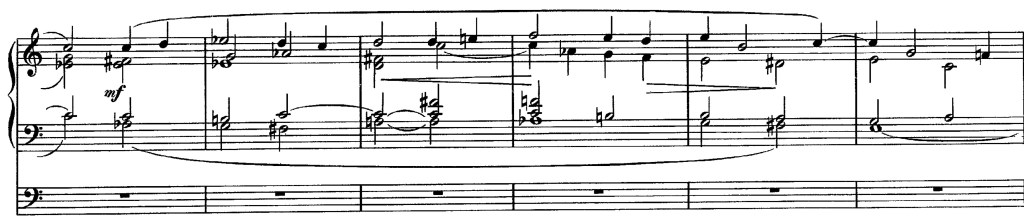

The “chorale” must be extremely deliberate and pensive, somewhere between q=50 and q=56 with substantial rubato. There is a singularly confessional quality to this chorale and it needs to be approached that way. The writing is austere and unadorned; the harmonic language stark and straightforward. Even in its most chromatic moments Franck eschews much of his characteristically fluid part writing for a more block-chord style. It’s imperative that the tempo be this slow (notwithstanding the lack of a specific tempo marking): first, it provides a distinct contrast from the agitation of the first part; second, it gives the interpreter greater freedom of expression via the greater flexibility intrinsic to a slow, emotionally evocative tempo. Sometimes you just have look past what is dictated on the page and FEEL what’s right; things like implied tempo and rubato, concepts that were apparently understood during Franck’s time. This is the section where the organist has to use the expressive capabilities of the instrument in the manner of the orchestra or a choir/singer, or any other more intrinsically expressive (less mechanically inhibiting) medium.
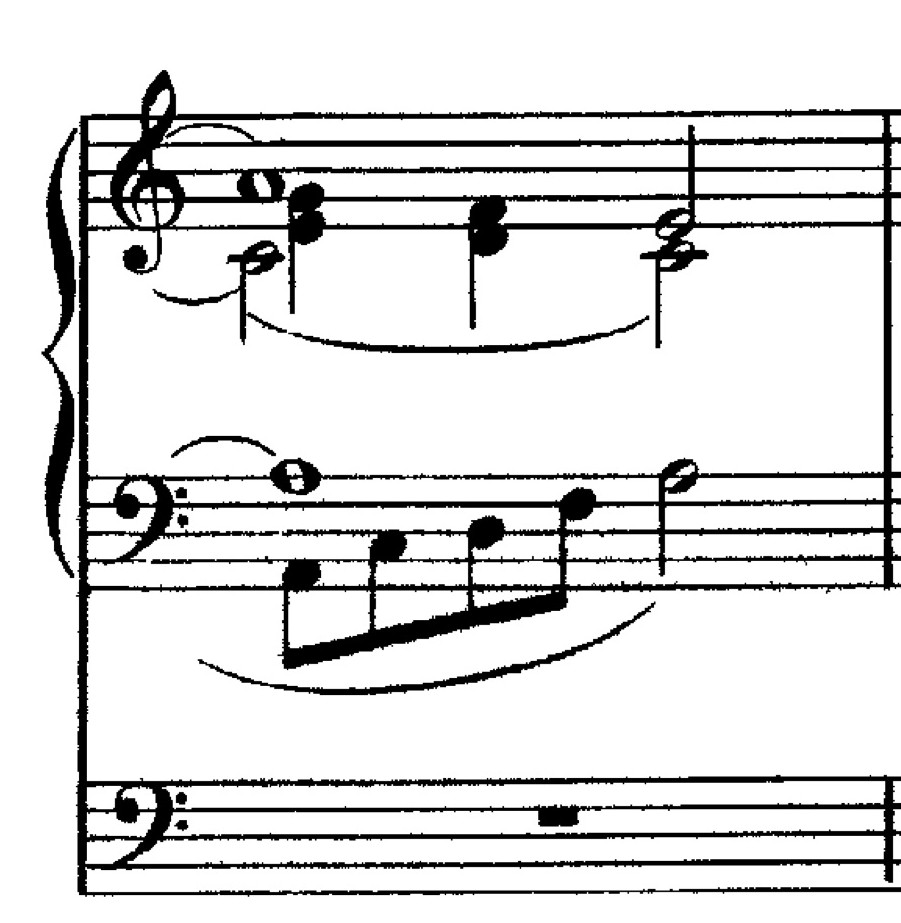
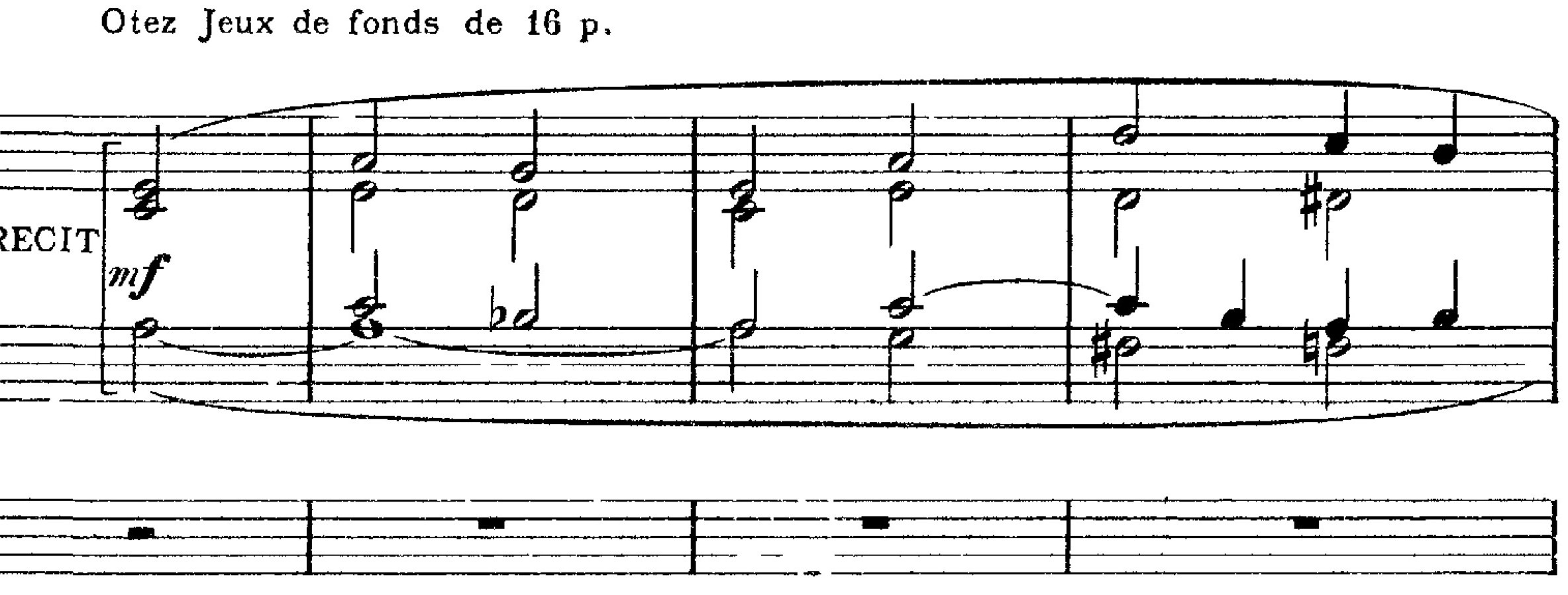
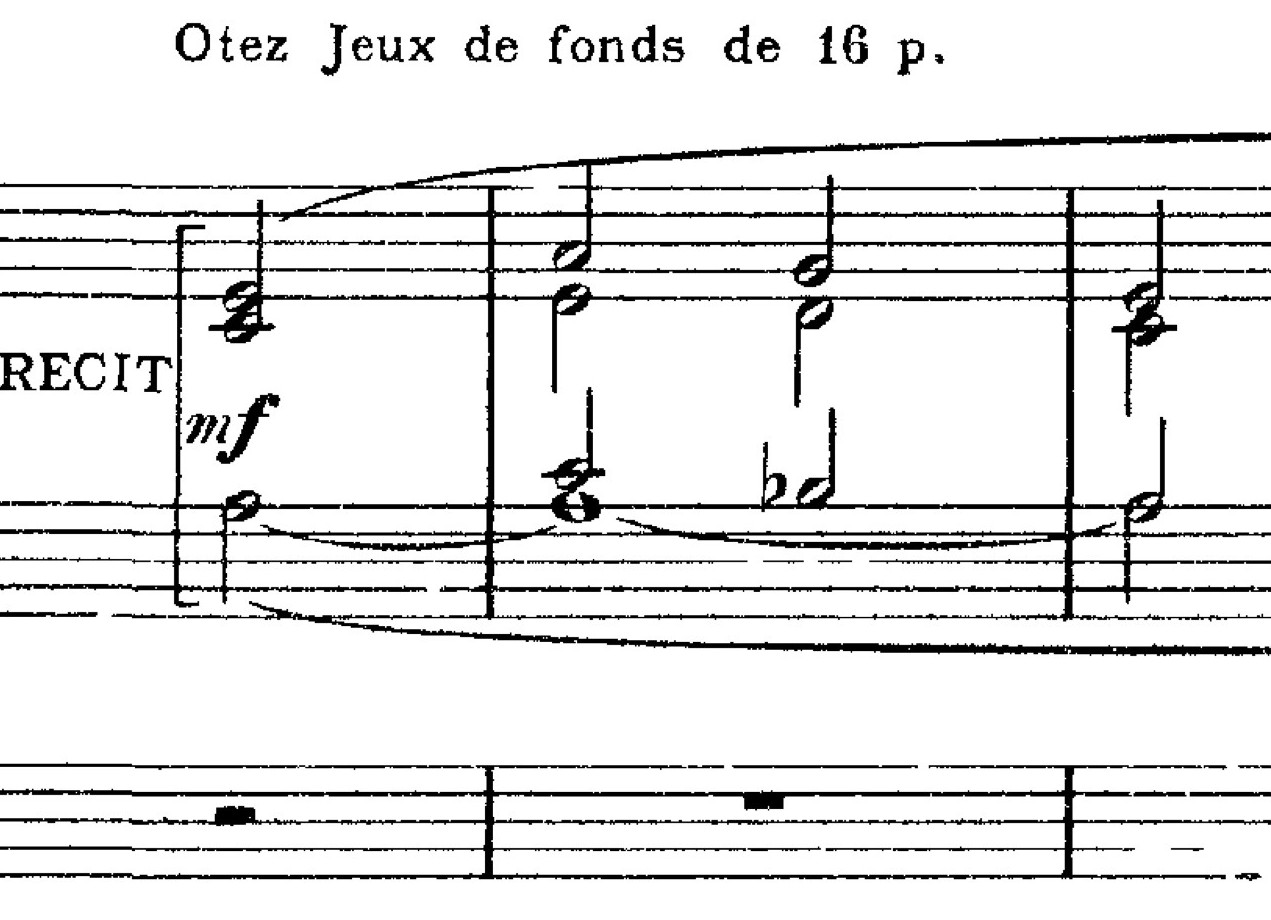
That does not preclude the organ from being just as — or more — expressive than other instruments, it just requires more extra-musical activity. Okay, let’s get specific: for example take the very beginning of the “chorale” (mm. 29-31):
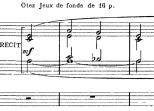
First, the mf dynamic is misleading to me. This should start off piano with just a very light reed (e. g., oboe, cor anglais) and soft foundation or string to round it out on the Swell with the box closed. Now, any good conductor or singer would know to emphasise that g minor chord ever so slightly, but emphasise it just the same. It’s a very poignant dissonance. This is very easily achieved by the conductor/singer/etc. by a slight crescendo to g minor which is then played tenuto to give it the required emphasis in order to achieve the necessary poignancy of that whole chord (especially the Bb) against that tied over A. However, in order for the organist to affect the same, he or she has to have the swell pedal poised at just the right point so that at the slightest touch the first one or two slats are open at precisely the point of the g minor chord (also holding the chord slightly longer) with the effect of a miniature sforzato and then brought back to the Tonic. This is not easy, and it requires a considerable amounts of practise to get something just right that almost any other musician can achieve with almost not effort at all. Similarly for the next three measures:
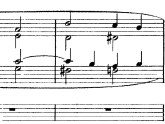
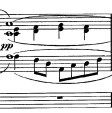
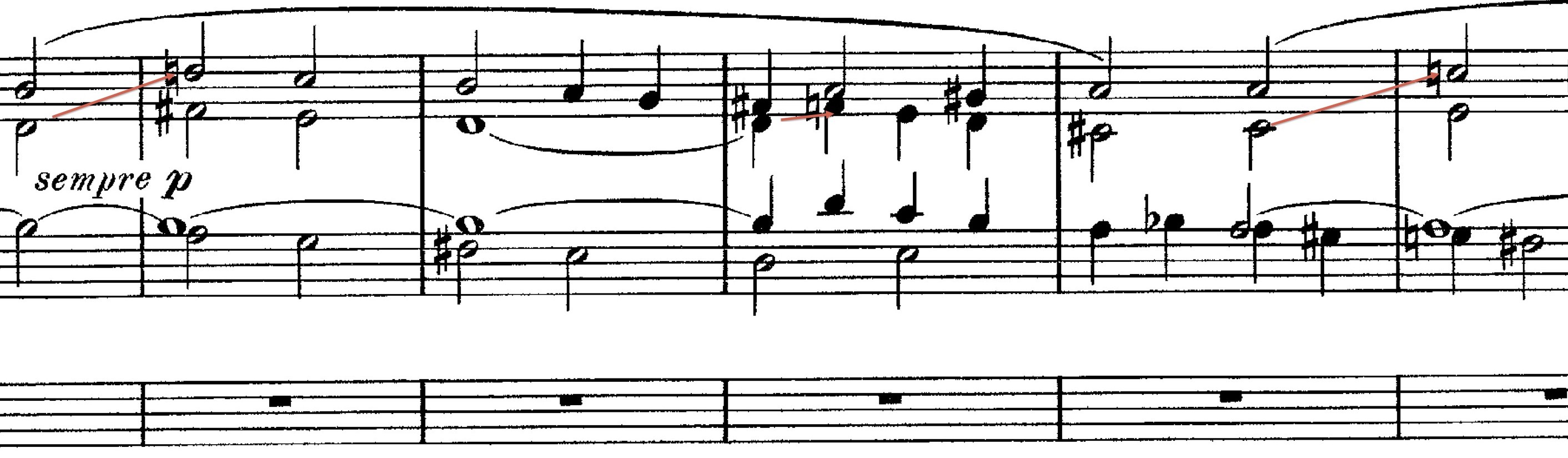
The effect of I² functioning as a II² of VII going to V⁶⁄₅ of VII is quite dramatic and be given even more of a crescendo. Feel the yearning of the melodic arch and the intense harmonic language behind it! Stretch the tempo. You almost can’t be too emphatic. Moreover, remember this is only the first phrase. Measures 29-34 are ostensibly in one breath. With the second phrase Franck becomes even more intense almost immediately taking us out of a minor and into the remote key of c minor. From there he takes us further away by way of reaching an impassioned climatic moment in f minor!


By this point a few more stops should have ben added. Even Franck, who up until now had left expression up to the performer has indicated that the high F needs to be approached with some kind of crescendo. From there the performer brings the organ down to true pianissimo, a single flute or string stop, ending the first half to this so far rather traditionally “sonata form” structured exposition by cadencing in the Dominant key of e minor. Further harmonic analysis is unnecessary at this point. Just understand, again, that Franck’s harmonic language, as colourful as it is, is fully functional and the emotional content which comes from its heated chromaticism is simply a result of the beauty of Franck’s extraordinary musical mind.







 Mostly Music and Curmudgeonry